
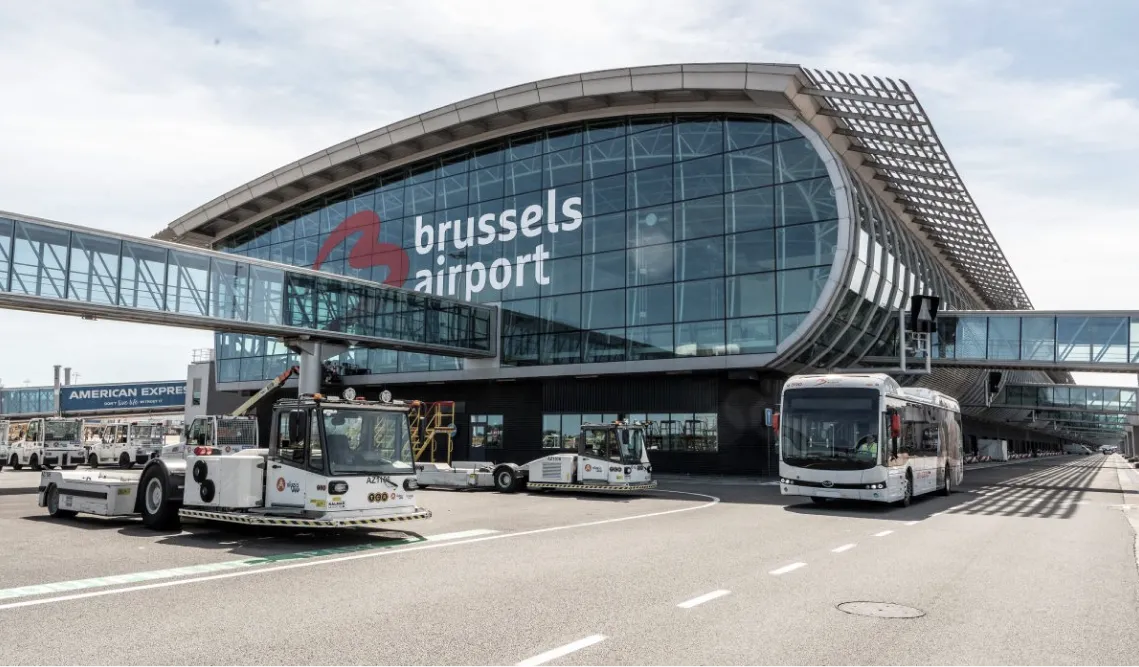
[Brussels Airport]
Taxfreeshoppingexperience
- [Client]
- Brussels Airport
- [Year]
- 2019
- [Disciplines]
- UX, Interface Design
- [With]
- Internet Architects (now IO)
[The brief]
Brussels Airport wanted what most shops already have: a webshop. This one was for its tax-free stores, with a loyalty platform on top. I joined the Internet Architects team on the project as a consultant, first as interface designer, later taking on UX and a share of the strategy. We were a fixed team of UX and UI designers, building with a development agency in Bulgaria and reporting to the airport's own team every week. Fair warning: this is a case without a launch.
[01]
No boarding pass, no sale
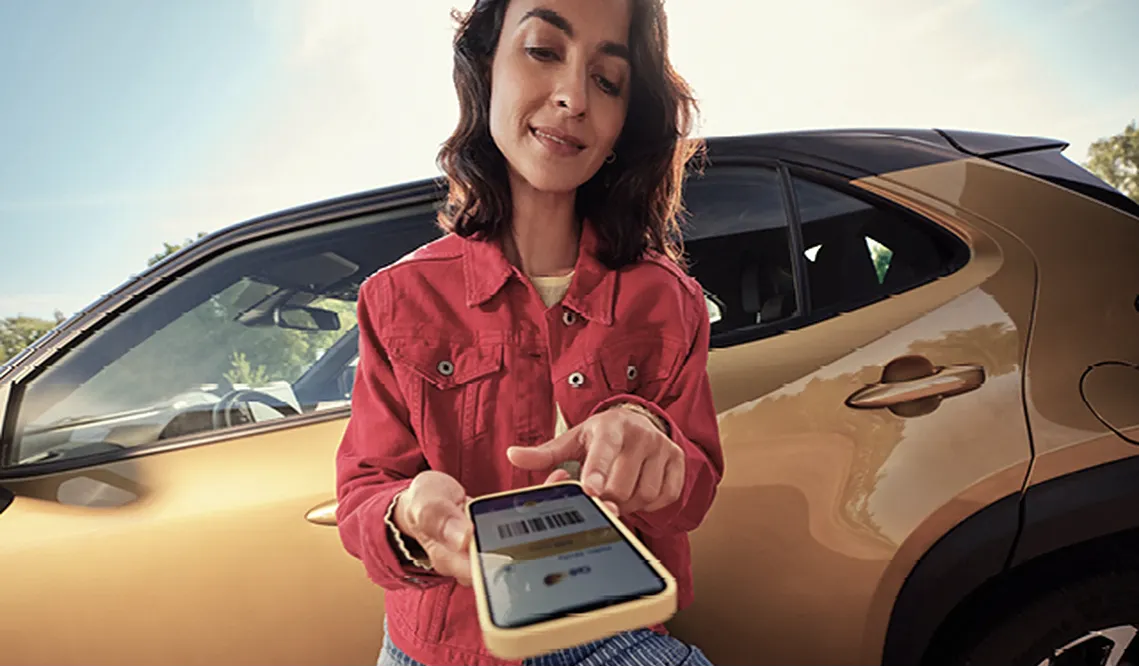
The group behind Brussels Airport runs a lot of shops, and the thinking was simple: most stores have a webshop these days, so why would a tax-free shop not have one? The catch is that tax-free shopping is tied to a flight. You have to show a boarding pass, and you cannot have the order delivered to your door. So the real brief was this: let people with a flight planned do their tax-free shopping online in advance, then scan their boarding pass at the airport and collect it there.
Buy before you fly. Collect at the airport.
[At home]
Do your tax-free shopping online, ahead of the flight, instead of in a rush on the way to the gate.
[The boarding pass]
Link the order to your flight. Where you fly decides which price you pay.
[At the airport]
Scan the pass, pick up the order, and earn points towards a Fast Lane or a lounge pass.
[02]
Uncharted territory
We were translating a physical experience into a digital one, and nobody had really done it before. A tax-free shop like this did not exist online yet, so there was little to borrow and a lot to figure out ourselves. Prices that change with your destination: fly within the EU and you see a different price than someone flying outside it. How you link a boarding pass to an order. What happens when you do not have one yet. How paying in advance works, and how the pass gets verified at pickup. Then the loyalty platform, with its points and rewards, added a whole extra layer on top of all that.
[03]
Three of everything
The other big challenge had little to do with design. Brussels Airport is a huge organisation, with a lot of people who each have a view. We had our own team at Internet Architects, with its own hierarchy and way of working. And there was the development partner we aligned with every week. Three ways of working and three hierarchies to steer one project. That meant delays, politics and a lot of testing. I wanted to move and make decisions quickly. Instead, a single decision could take what felt like 27 tests, everything substantiated and everything documented. It is not how I like to work, so we looked for a way to keep moving anyway.
[04]
Every small win
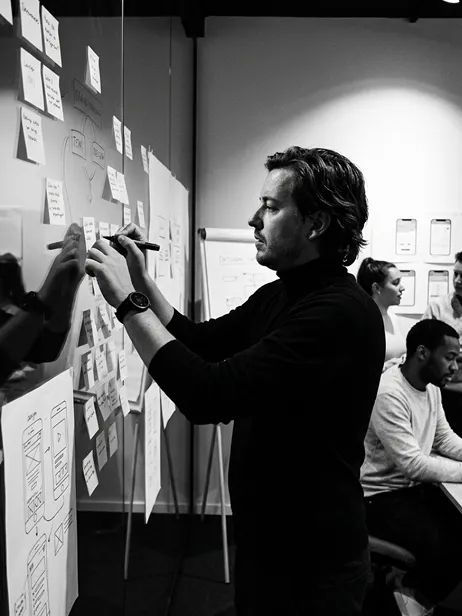
The way forward was to stop overthinking. When we found something in our own team that seemed to work, we did not turn it into a big deliverable. We made a small prototype or a small test, and got things approved in small steps. Go deep, work everything out, send it through the whole approval machine and see it rejected, and you are back at square one. So we took every small win we could get. In the design work that meant prototypes for one question at a time. What does a product card look like when it has to carry different prices? How do you link your boarding pass? What if you do not have one yet? We laid the options side by side, tested them first, and only then worked them out towards a real, live webshop.
[05]
Then the airport went quiet
What went live? Nothing. The project dates from 2019 and ended abruptly when Covid hit. Brussels Airport froze the funding and the whole project was stopped. Neither the shop nor the loyalty platform ever launched. That also means I cannot look back at what worked and what did not. We never got to finish it, so there are no results and no numbers to point to, and I am not going to invent any.
[06]
Shop first, points later
If I could do this project again, I would work in much clearer phases. We were a little too optimistic, taking on the shop and the loyalty platform at the same time. Think the whole story through strategically, by all means. But then start with the foundation of the shop, get that right, and add loyalty afterwards. Points and discounts put a layer of complexity on top that was unnecessary at that stage, and it made us slower. It never got finished, so I will never know where we would have landed. But today the phases would be clearly marked, and we would stay inside them.
[07]
What stayed
There is nothing tangible to be proud of, because it never shipped. What I am proud of is having been there at the foundation. This was not a small project: UX, UI, strategy, technical constraints and a lot of stakeholders, all in one. And it taught me the thing I still do every day. Start small. Test fast, so you can kill it fast or move on fast. Do not pour time into working out a direction in full before you know it holds.
Made with the Internet Architects team
This project came to life during my time at Internet Architects (now IO) and is made in collaboration with the super talented people over there.
A big idea and a lot of people to convince?
If your project has to move through a large organisation without losing its momentum, let's talk about steps small enough to say yes to.
[Next project]
Q8 Smiles